










Squid Gamebler by InOut


Best Casinos to Play Squid Gamebler in 2026
InOut is a renowned provider that is available in many reputable casinos. Here’re some of my favorite out there:



 Current bonus

 Current bonus
 Current bonus
Game Specifications
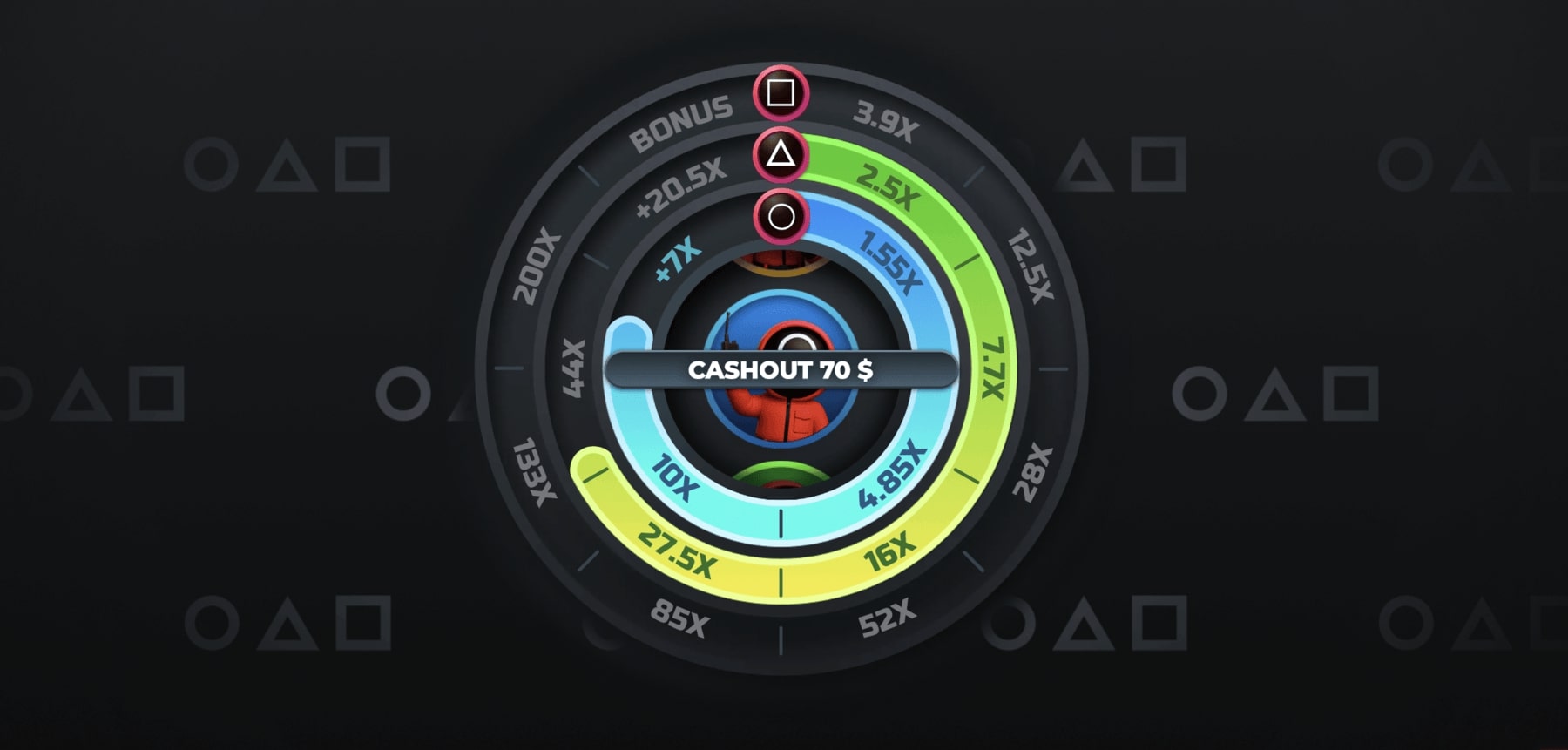
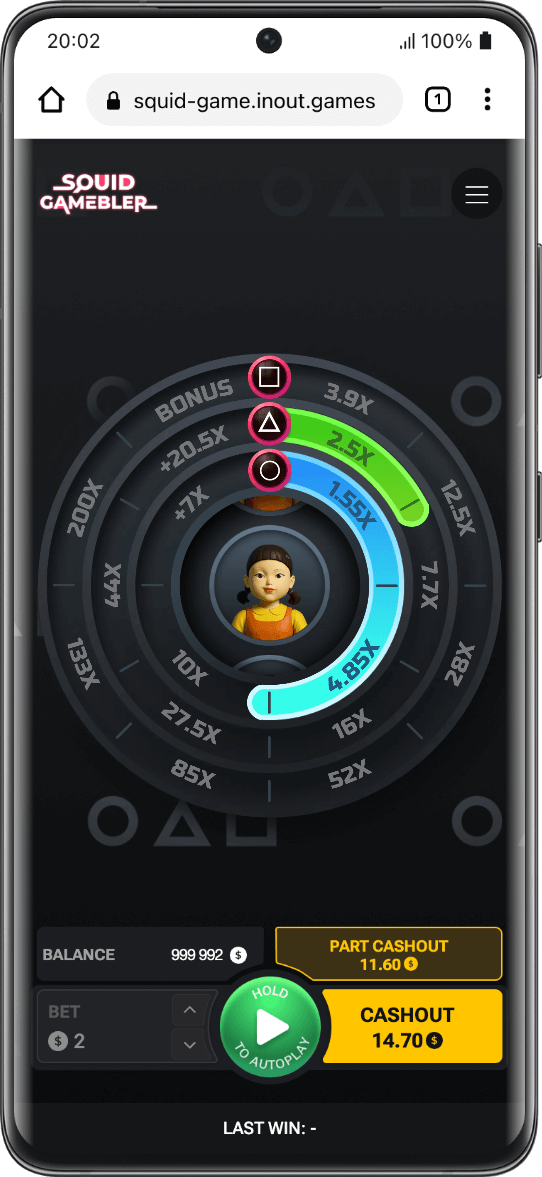
Squid Gamebler uses a circular crash format with three separate tracks. Each track belongs to a guard: Circle, Triangle, or Square. On every drop, a symbol either builds one of these tracks, does nothing, or lowers all of them by one step. The idea is easy: fill steps to win, then decide if you want to keep going.
Rounds move quickly. There are no reels to spin. You see a short, clear animation, and the meters update right away. Before I dive deeper into the mechanics and strategies, here’s a quick overview of the game:
| Release date | 9/30/2025 |
|---|---|
| RTP | 94% |
| Volatility | Medium |
| Max multiplier | x254 |
| Min / Max bet | 0.01 / 200 USD |
| Per-round max win | 20.000 USD |
Gameplay and Features
Every round starts with empty tracks. Press Spin to drop a symbol. Guards build their own tracks. The doll is neutral. The Front Man is the risk: he lowers all tracks by one step. If a track is already at zero, it stays there. You’ll learn these roles in a minute.
Each track climbs through a ladder of multipliers. When a step completes, that track pays right away and then slides back one step. This keeps the action moving and creates many small win moments. You’re always choosing between taking what you have or trying for more.

You have two ways to bank. Cashout takes everything and ends the round. Part Cashout takes the current value on all three tracks, moves each track back one step, and keeps the round going. Part Cashout unlocks after you reach at least the second step on any track. It’s the safest way to “take something now” without giving up. Finish the last Square step and a short bonus plays. You get an extra multiplier on top. It’s quick, loud, and then you’re back in the round. Square is the longest ladder, so its finish gets the biggest moment.
Theme
Squid Gamebler is inspired by the Squid Game TV series, and every character comes from that world. The pink guards wear Circle, Triangle, and Square masks, the Front Man appears in black, and the giant doll from the “Green Light, Red Light” game shows up as well. They pop in as quick reactions to what just happened, so it’s always clear who helped you and who hurt you.

The look stays simple and bold: dark background, bright shapes, and a glowing ring around the action. Colors are consistent for each track, so you can read the state in a second. Near a payout, the highlights flare slightly to say “almost there.”
All characters are stylized rather than realistic, which keeps the interface clean and easy to read on phones. The wheel never stops for long cutscenes. Everything points you toward the next choice.
Graphics, sounds, and animation
Graphics are cartoon-sharp with solid outlines. Text stays legible on phone and desktop. Animations are short: a quick drop, a fill, a tick sound. When the Front Man hits, the reaction feels heavier, so the penalty is obvious.
Sound is minimal on purpose. A rhythmic drum-beat track sits in the back. Gradually, it is replaced by the series’ original soundtrack cover. You get a click for progress, a pop for payouts, and a thump for setbacks. When you land on a certain symbol, a robotic voice announces its name (the voice is somewhat similar to the way the Font Man speaks in the series).
Performance is smooth. Loads are quick, and the game holds steady during play. Buttons feel responsive, and important elements stay in thumb reach on mobile. Overall, the presentation is focused. It’s bright enough to be fun and light enough to stay fast. Nothing slows you down.
Symbols in “Squid Gamebler”: Paytable
There are five outcomes. Three are good (the guards), one is neutral (the doll), and one is risky (the Front Man). Wins come from finishing steps on each track. Finish a step, get paid, roll back one step, and try again.
Here are the ladders by track. Circle is short and quick. Triangle is longer with meat in the middle. Square is the longest climb with the biggest prizes and the bonus at the end.
| Image | Symbol | Role | Track Steps and Payouts | Notes |
|---|---|---|---|---|
 |
Circle Guard | Advances Circle track | x1.55 → x4.85 → x10 → x7 | Fast cycle; frequent hits |
 |
Triangle Guard | Advances Triangle track | x2.5 → x7.7 → x16 → x27.5 → x44 → x20.5 | Great middle steps |
 |
Square Guard | Advances Square track | x3.9 → x12.5 → x28 → x52 → x85 → x133 → x200 → Bonus | Longest climb; biggest rewards |
 |
Young-hee (Doll) | Neutral event | – | No change to any track |
 |
Front Man | Penalty event | – | Lowers all tracks by one step |
In practice, Circle keeps you ticking over, Triangle pays nicely in the middle, and Square creates those big, shareable moments. The bonus after the final Square step adds a clean punch at the top.
How to Play “Squid Gamebler”
Pick your bet and press Spin. Watch the three tracks grow. Decide when to bank. That’s it. A small help panel in the game explains the basics in a few lines. One important rule: you can only change your bet when the board is empty (no progress stored).
- Spin cadence: one symbol drops, and the result is instant.
- Auto payout: finish a step and get paid right away; the track rolls back one step.
- Two banking options: Part Cashout (bank and continue) or Cashout (bank and end).
- Risk events: Front Man lowers all tracks; the doll does nothing.
Symbol order is random. Your control is when you bank. Two big numbers help: the Part Cashout amount and the full Cashout amount. They update live. You always know what pressing either button will give you.
New players sometimes worry when a track pays and then rolls back. That’s the design. It gives you more chances to win inside a single round. After a few minutes, the rhythm feels natural.
Rounds can be short or surprisingly long. Sometimes you’ll ride a good run across several small wins. Other times the Front Man shows up fast. That swing is normal for the format.
Betting
In this build, the minimum bet is 0.01 USD and the maximum is 200 USD. Some casinos may set different limits. Bet controls are simple: plus, minus, quick reset. Balance and win info are clear and easy to read.
Small bets are great for learning. Big bets reach limits faster because of the per-round max win. If you bet high, remember the cap so you don’t waste potential.
You can’t change your bet mid-round if there’s progress on the board. That rule keeps things fair and simple. Plan your bet before you start the next round. Results scale with your stake. What matters most is when you bank—not just how much you bet.
Game Difficulty
Difficulty sits in the middle. The UI is easy, but timing your banking can be tough when things look good. The Front Man can knock you back and test your nerves.
Circle is beginner-friendly. Triangle rewards patience. Square is the big climb that needs a bit of luck and timing. Medium volatility means the game stays lively without long dry spells.
The only “learning curve” is understanding that rollbacks after a pay are normal. Once you accept that, the loop makes sense and feels fair. Set a simple banking rule for yourself and stick to it. Do that, and the game feels much easier.
Autoplay Settings
Autoplay offers quick presets (5 to 100) and two simple stops: stop after losing a chosen amount, or stop after gaining a chosen total of multipliers. It’s there to save taps, not to make decisions for you.
| Preset Spins | Custom Range | Stop Conditions | Notes |
|---|---|---|---|
| 5, 10, 15, 20, 25, 50, 75, 100 | Slider in the same range | Stop if cash decreases by X | Clear loss limit |
| — | — | Stop if total coefficient increases by Y | Simple “take profit” style |
| — | — | Manual banking allowed | You can press Cashout or Part Cashout anytime |
Autoplay doesn’t press bank buttons for you. It just spins. Watch the board and bank when the number looks good. That’s the best way to use it.
Think of it as comfort, not “auto profit.” It keeps the pace steady and your hands relaxed.
Max Win
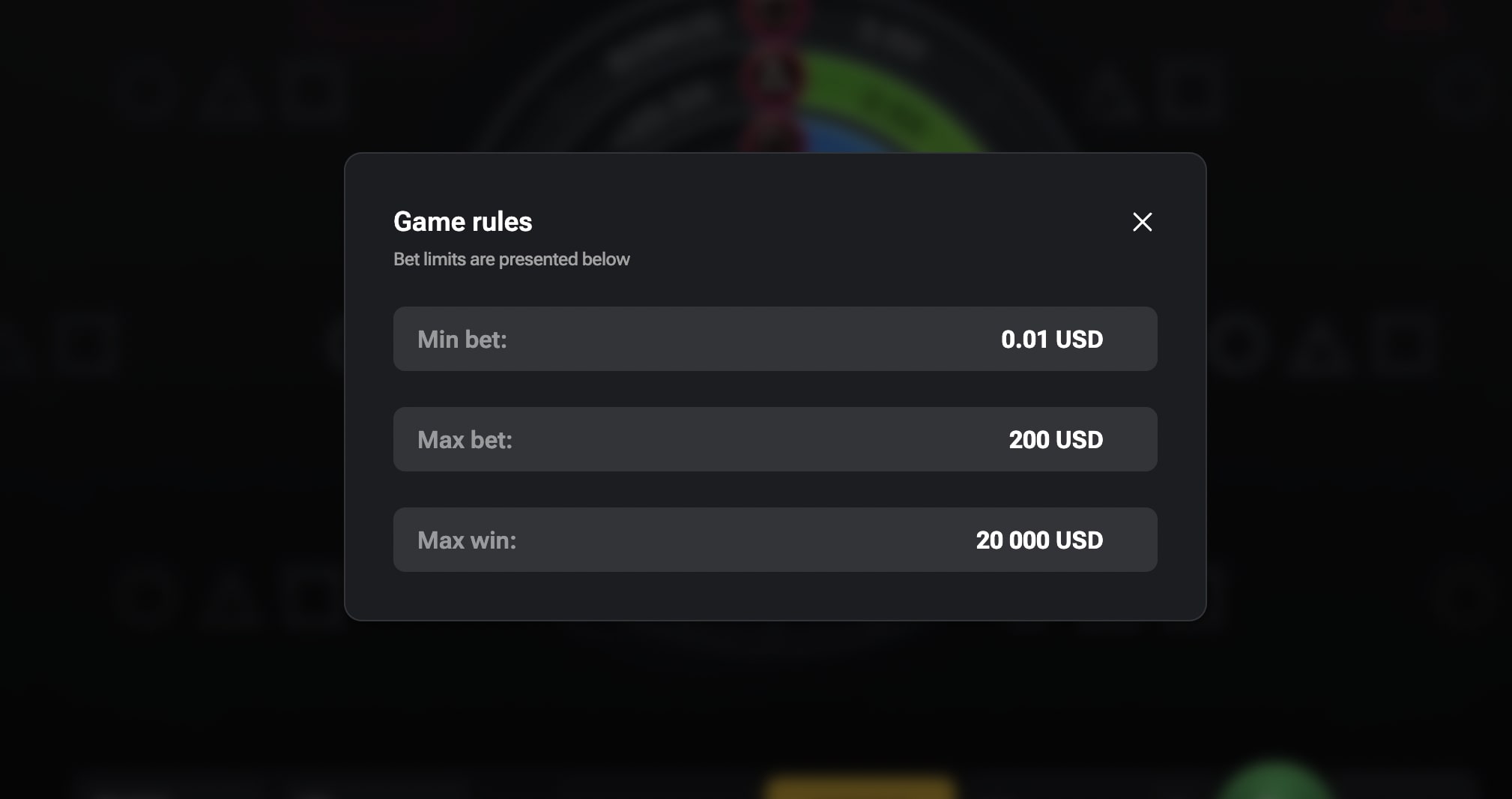
In this game, players have the opportunity to win up to an impressive $20,000, making it an exciting option for those seeking significant rewards. The betting range is designed to accommodate both casual players and high rollers. Whether you’re playing conservatively or going all in, the game offers plenty of flexibility, making it accessible to a wide range of players with varying budgets.
Squid Gamebler Strategy
You can’t control the next symbol, so strategy is about timing and discipline. Simple rules beat wild guesses. Here are clear tips that work well:
Start with smaller bets to understand the game’s rhythm
Begin small for your first 50–100 rounds. Learn how often the Front Man shows up and how fast Circle cycles. This helps you set a realistic banking target for the day.
Feeling the rollbacks with a tiny stake trains your patience. The game rewards calm decisions more than gutsy ones. Gradually raise your bet once you’re comfortable. Step up in small jumps, and step down after a rough patch. Keep it simple. Write down your plan. It’s easier to follow a rule you already chose when emotions kick in.
Beware of Young-hee, the “Green Light, Red Light Doll”
The doll is harmless to your meters, but she stretches the round. Long stretches can make you greedy. Don’t let a “calm” board trick you into skipping a safe bank.
See two doll drops close together? Consider banking a bit earlier. It’s a good reset for your nerves. Use the doll’s short pause to glance at your Part Cashout number. Many players underestimate how good the total already is. Neutral doesn’t mean safe forever. Make a choice before the Front Man decides for you.

Use the Part Cashout Feature
Part Cashout is your best tool. Set a simple target like “bank around 6x combined early” and raise it a bit if the board looks strong.
Watch Triangle’s middle (x16, x27.5). If Triangle is there and Circle is mid, the combined value is often worth banking—especially if Square is also climbing.
Don’t wait for a “perfect” screen. Good screens are common; perfect ones are rare. Take good. Pick your rule before you start and stick to it. That alone saves sessions.
Don’t wait for the Front Man
If you feel like banking, bank. That feeling is usually right. Waiting “one more drop” is how the Front Man catches you. Don’t rely on a quick Circle save right after a scare. Use Part Cashout to cool the board, then rebuild calmly.
There’s no prize for holding through a penalty. Reset, breathe, and go again. Steady hands beat hero plays over time.

Common Mistakes to Avoid
- Chasing Square every round: save the big climb for boards that support it.
- Forgetting the rollback: a payout isn’t a shield; reassess right away.
- Changing stakes on tilt: adjust between rounds, not during emotional swings.
- “Set and forget” autoplay: autoplay spins; you bank.
- Waiting for the Front Man: bank before fear, not after pain.
Squid Gamebler Demo
You can try the game in demo mode right on this page — scroll up, it’s at the top. Most casinos also offer a demo version, but not necessarily, so be careful, you might launch the real money play instead of the demo and not even notice.
Use the free demo to find your banking rhythm without stress. See how it feels before you play for real. Testing on your device is smart. If your phone is older, a quick demo run checks for any hiccups. After that, you’re good to go. Keep your rules nearby. If you can follow them in demo, you can follow them live.
Squid Gamebler RTP and Volatility
The RTP is 94%, which is normal for this type of game. Volatility is medium: lots of small wins, some solid runs, and rare big peaks. RTP is long-term math, not a promise for tonight. Your timing matters a lot here because you control when to bank.
Big swings usually come from chasing Square without banking along the way. A simple Part Cashout rule keeps your session steady. High stakes hit limits faster. If you compare results with friends, remember that bet size and caps can change how sessions feel.
PC and Mobile Compatibility
Squid Gamebler runs smoothly on desktop and phone. Loads are quick, and the game resumes nicely after interruptions. The wheel scales well, and buttons are easy to reach. Animations are light, so battery use is reasonable. Audio behaves when you get calls or notifications. In short: it’s stable, it’s fast, and it’s clear on small screens.
Squid Gamebler App
Squid Gamebler runs in your casino’s app or mobile browser. Many casinos also let you add a Home Screen shortcut, which opens the game full screen like an app.
How to Download on iOS
- Open Safari and go to your casino’s lobby.
- Log in and open the Squid Gamebler page (or stay on the lobby).
- Tap the Share icon, then choose Add to Home Screen.
- Rename if you want and tap Add.
- Launch from the new icon; allow sound if asked and keep the mute switch off.
- Tip: turn off Low Power Mode for smoother long sessions.
Note: There’s no separate App Store app. The Home Screen shortcut gives fast, full-screen access and always pulls the latest version.
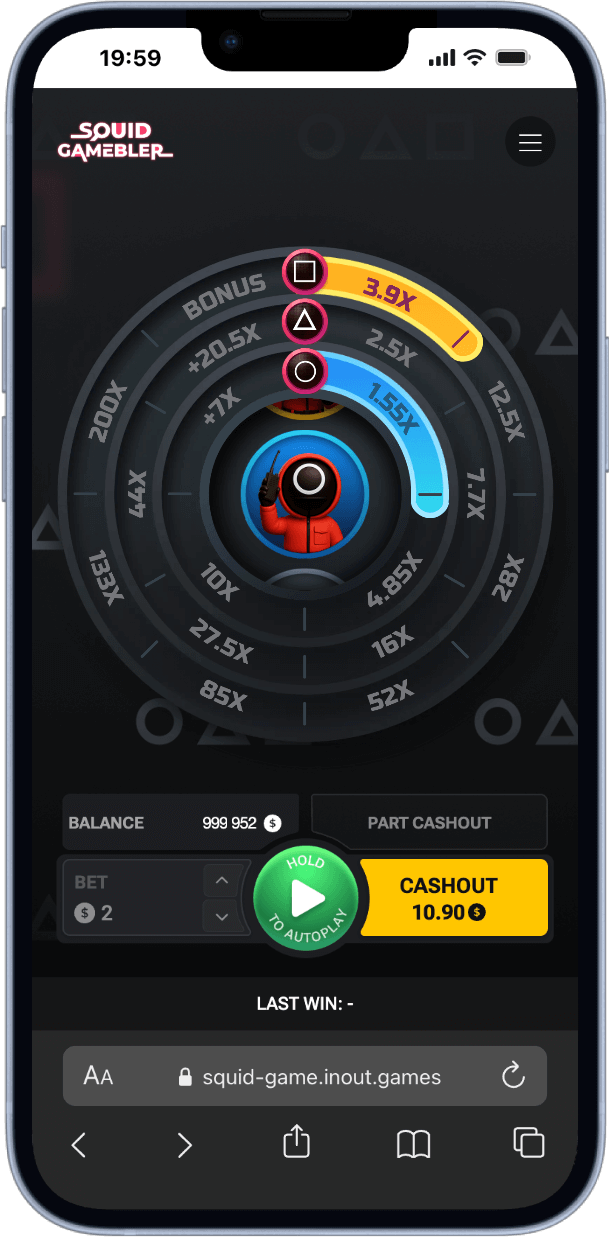
Installing on Android without the Squid Gamebler APK
- Open Chrome or Firefox and go to your casino’s lobby.
- Log in and open the Squid Gamebler page.
- Open the menu (three dots) and tap Add to Home screen (or Install).
- Confirm the name and add the shortcut.
- Launch from the new icon; allow audio if prompted. If an app mutes in the background, turn off battery optimization for it.
- Tip: keep your browser updated for best visuals and sound.
Note: No APK is needed. The shortcut uses the web version with caching for quick loads.
Pros and Cons
After many sessions of playing, here’s in short what I personally like and dislike about the game:
Pros:
- Fresh circular crash layout with three readable tracks.
- Part Cashout gives control without slowing the game.
- Clean cartoon visuals that scale well to phones.
- Practical autoplay with simple stop rules.
- Flexible bet range (operator configurable).
- Strong performance on desktop and mobile.
Cons:
- RTP at 94% may feel low to some players.
- Bonus is brief and may feel light if you want long features.
- Voice lines are flat over very long sessions.
Similar Games
If you like Squid Gamebler’s fast choices and TV-inspired vibe, these titles are a good next step. I’ve grouped them by feel so you can pick what matches your taste.
- Aviator (Spribe) — Classic crash game where a multiplier climbs and can bust at any moment. Simple, tense, and all about when you cash out.
- JetX (SmartSoft) — Another crash staple with a rising plane multiplier. Clear visuals and quick rounds make it easy to learn.
- Spaceman (Pragmatic Play) — Crash-style gameplay with a playful astronaut theme and live-style pacing. Good pick if you want bright, readable UI.
- Pilot (Gamzix) — Straightforward crash mechanics with clean charts. A solid alternative if you like a minimalist look.
Prefer the licensed TV feel? Try these well-known, TV-based slots for strong themes and recognizable characters:
- Narcos (NetEnt) — Based on the TV series; slick visuals and branded features.
- Vikings (NetEnt) — TV tie-in with bold art and high-energy bonus moments.
- The Walking Dead (Light & Wonder) — Characters and scenes fans will know, with on-theme features.
- Who Wants to Be a Millionaire Megaways (Big Time Gaming) — TV quiz show feel with ladder-style tension that mirrors “push or bank” choices.
- Game of Thrones (Microgaming) — A classic license with familiar houses and soundtrack cues.
Squid Gamebler: Opinions from the creators of the online casino game
Inside the studio, the mood around Squid Gamebler is positive. The team says the game “feels honest and tense in the right way,” and several of them keep playing it after work. They enjoy the quick loop: build, bank, or risk. No waiting, no filler. The Squid Game theme lands well too—familiar faces, clear roles, and a style that stays sharp on phones.
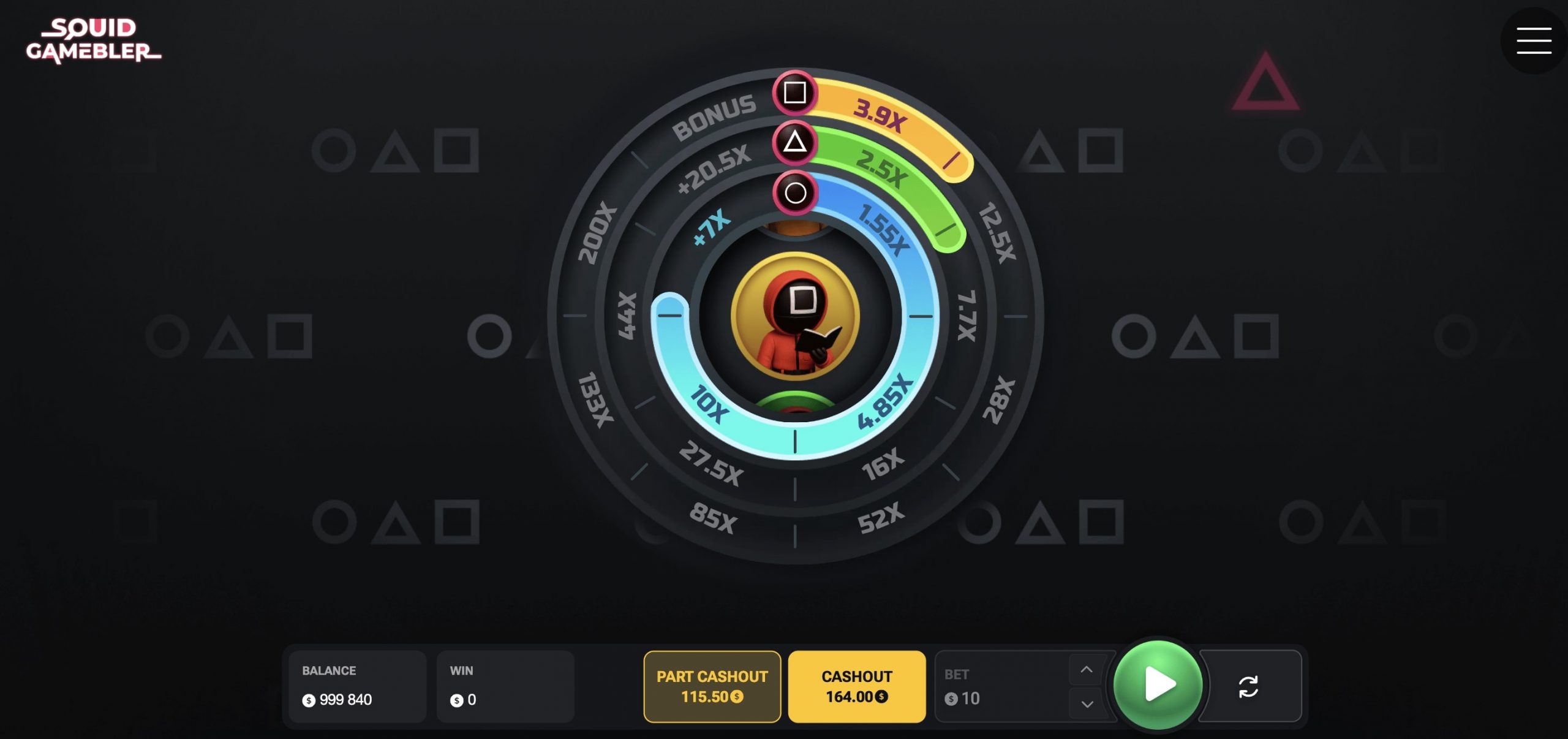
What were they chasing while building it? In their words: clarity, control, and short, memorable spikes. They wanted players to read the screen in a second, make a real choice, and feel the result right away. That’s why the wheel is circular, the three tracks are color-coded, and Part Cashout sits front and center. The aim was never “infinite multipliers,” but steady tension with real agency.
Conclusion
Squid Gamebler is a clear, quick crash game with personality. Three tracks keep you making small choices. The doll stretches moments without raising risk. The Front Man keeps you honest. Part Cashout is the star for real control, and the Square bonus adds a neat burst at the top.
It runs smoothly on phone and PC, loads fast, and stays readable. If you like games where your timing matters, this is a strong pick. If you want long features and huge jackpots, this isn’t that. It’s lean by design.
Simple advice: start small, set a banking rule, respect it, and don’t wait for the Front Man. Play that way and the loop feels fair and fun.
FAQ
What are the bet limits?
0.01 to 200 USD (may vary by casino).
How do the three tracks work?
Fill steps on Circle, Triangle, or Square to win; after each pay, that track rolls back one step.
What does Young-hee do?
Nothing to the meters; it’s a neutral event.
What does the Front Man do?
Lowers all tracks by one step.
What is Part Cashout?
Banks the current value across all tracks, moves each back one step, and keeps the round going.
Does autoplay bank for me?
No. It spins only. You choose when to bank.
About the Author

Jordan Mitchell
InOut Game Tester
I’m into simple rules, clean UI, and honest pacing. I wrote this review after many hours with Squid Gamebler on desktop and mobile, focusing on how it actually feels to play and what you need to win.
